Andrew Yeckel > Stories > Winter life
Winter life in Minnesota
The winter of 2018–2019 will be our 30th in Minnesota, which allows me to generalize about it for those of you who have never lived in a northern climate. Here are my answers to questions we are sometimes asked when visiting the family home in La Jolla.
Snow
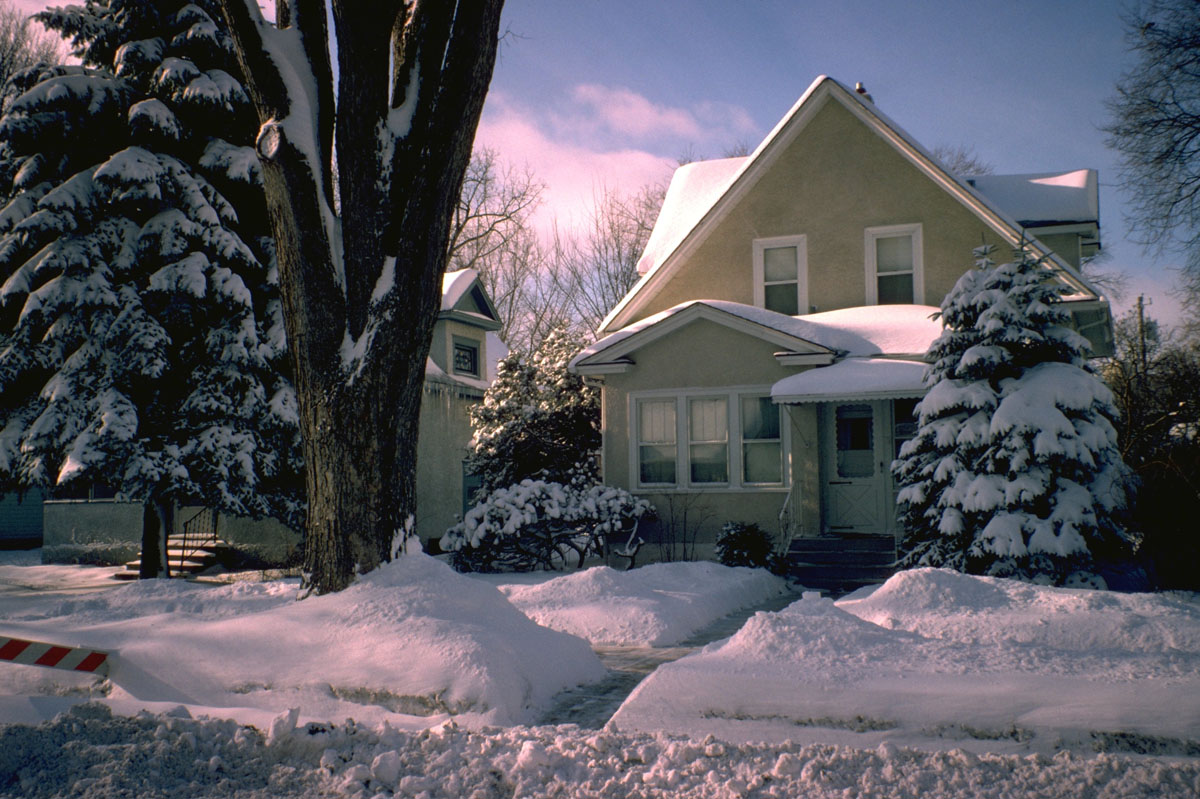
Snow is highly variable. It averages about 50 inches a season, but we've seen everything from 20 to 85 inches. Last winter was a big year with 78 inches, due in part to a blizzard in mid-April that was the latest in recorded history. The earliest blizzard in history dropped 30 inches starting on Halloween in 1991. So there is a window nearly six months long in which we might get clobbered by a huge storm.
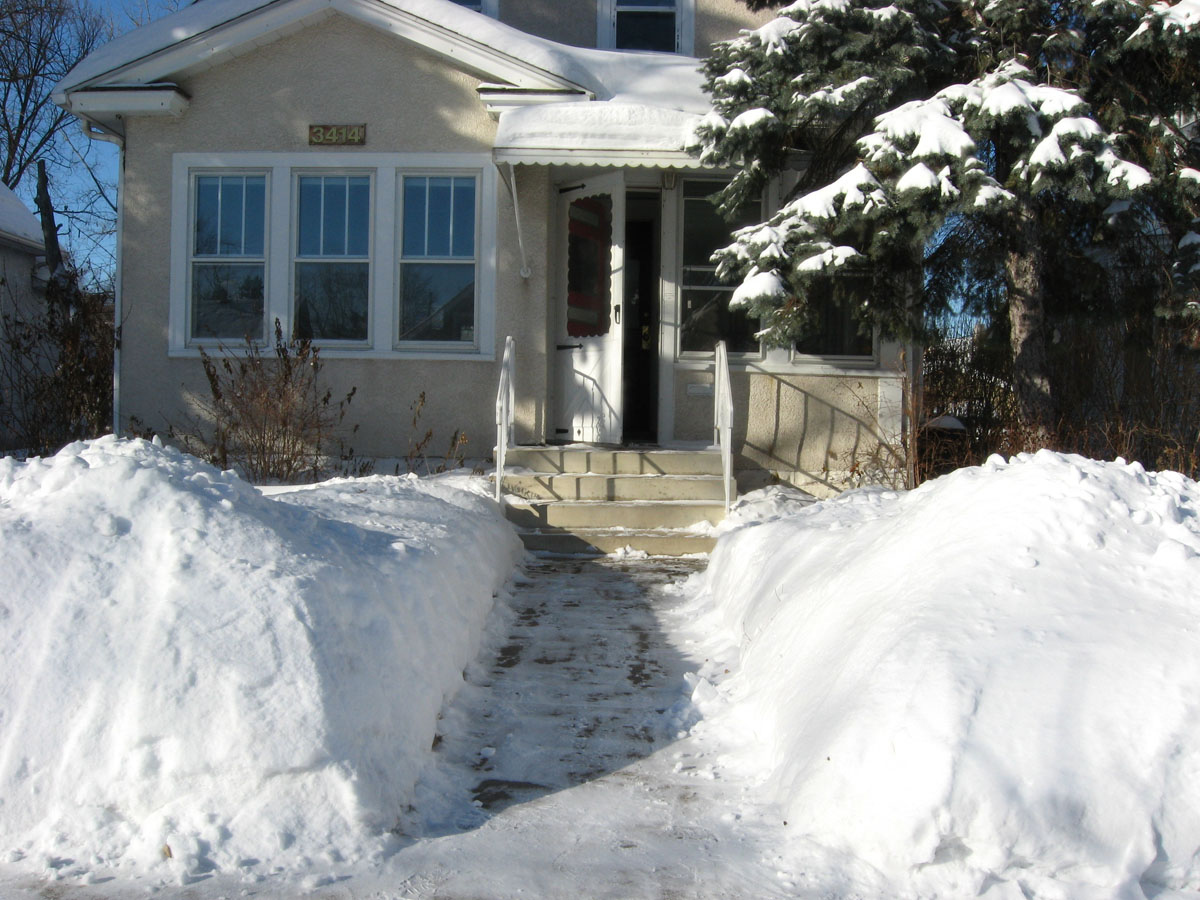
But in most years persistent snow cover doesn't begin until late November or early December. There is a 25% chance of a white Thanksgiving and a 75% chance of a white Christmas. Usually the snow melts off by the end of March, and only rarely is the Easter egg hunt conducted in the snow. Most winters have 100% snow cover on 100 or more days, up to 150 days in the worst winter we've seen.
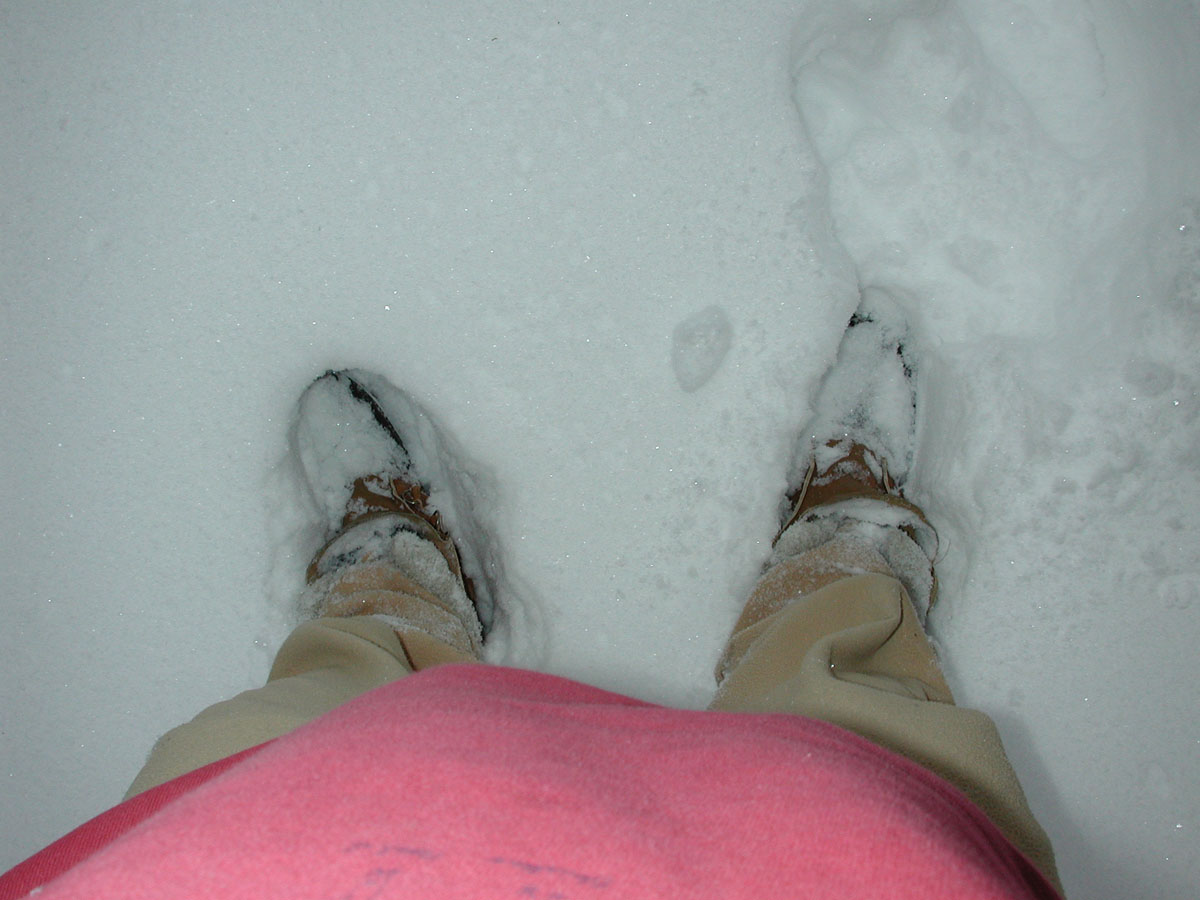
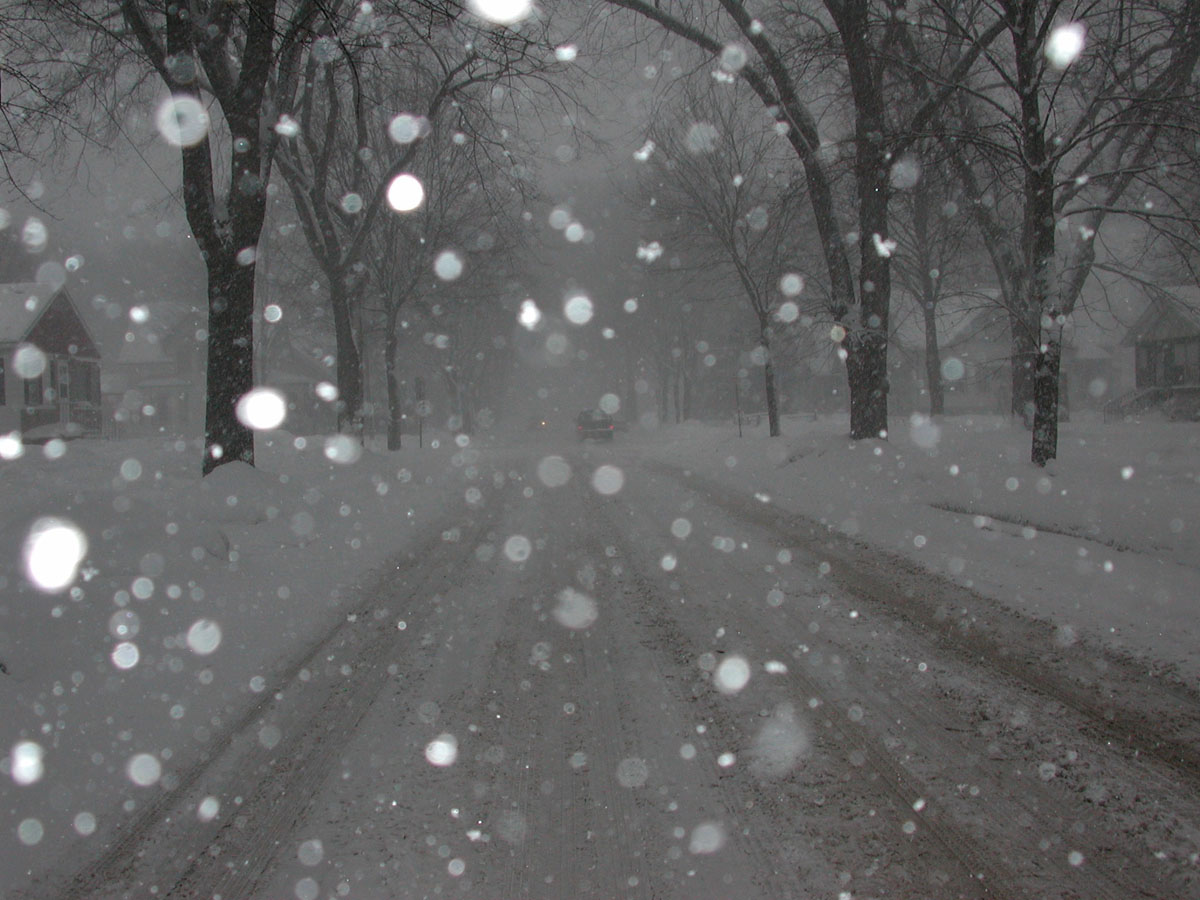
Most snowfalls are less than 3 inches, many of which are just a dusting. A significant storm will drop 6 to 12 inches. Usually we get several of those in a season. Whether or not this jams up traffic depends on when the snow arrives and on the conditions for icing. There will be some hellacious commutes every winter. But plowing is good, and generally the roads are passable except during a very big storm. We live in the middle of the city near to all services, and have good public transportation options, so we are rarely inconvenienced by the commute. But once in awhile it is necessary to go out in the car and crawl along in bad conditions.
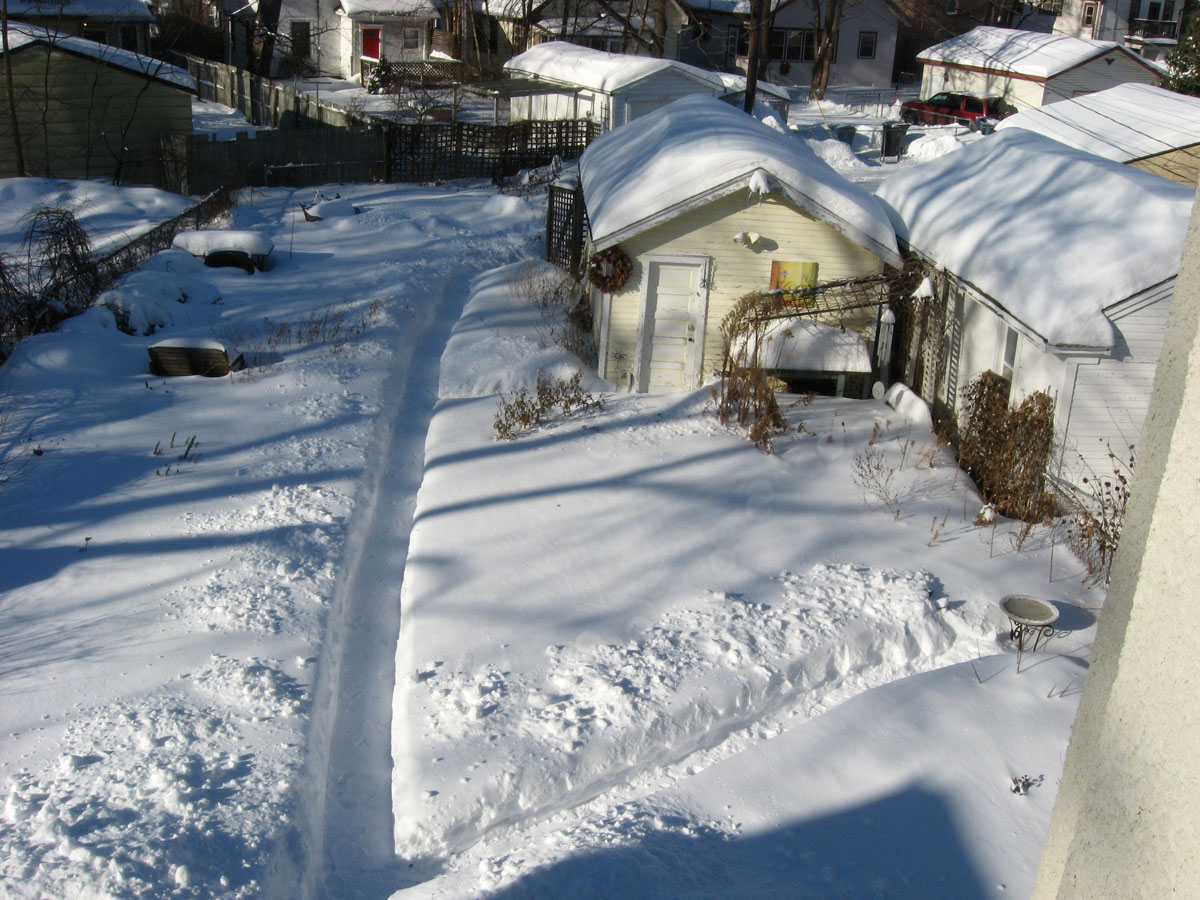
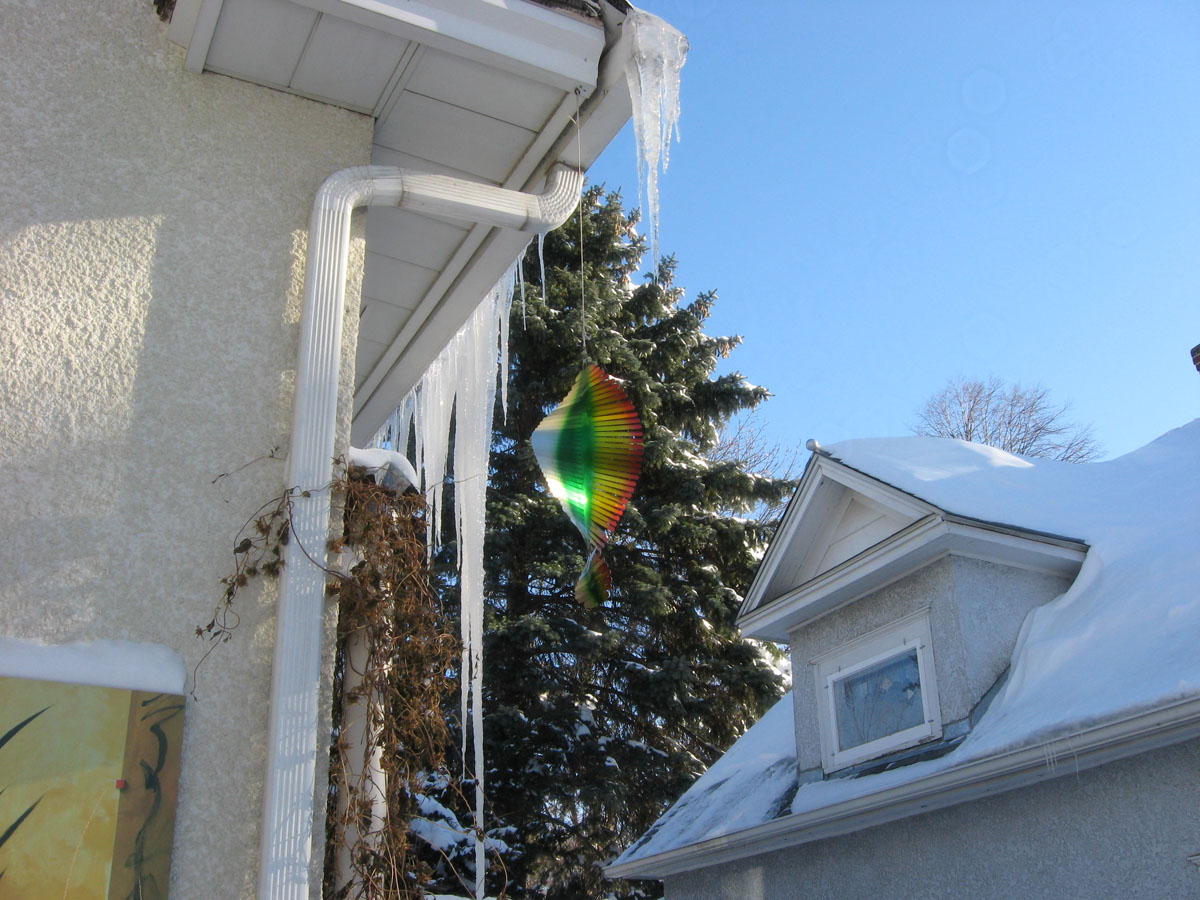
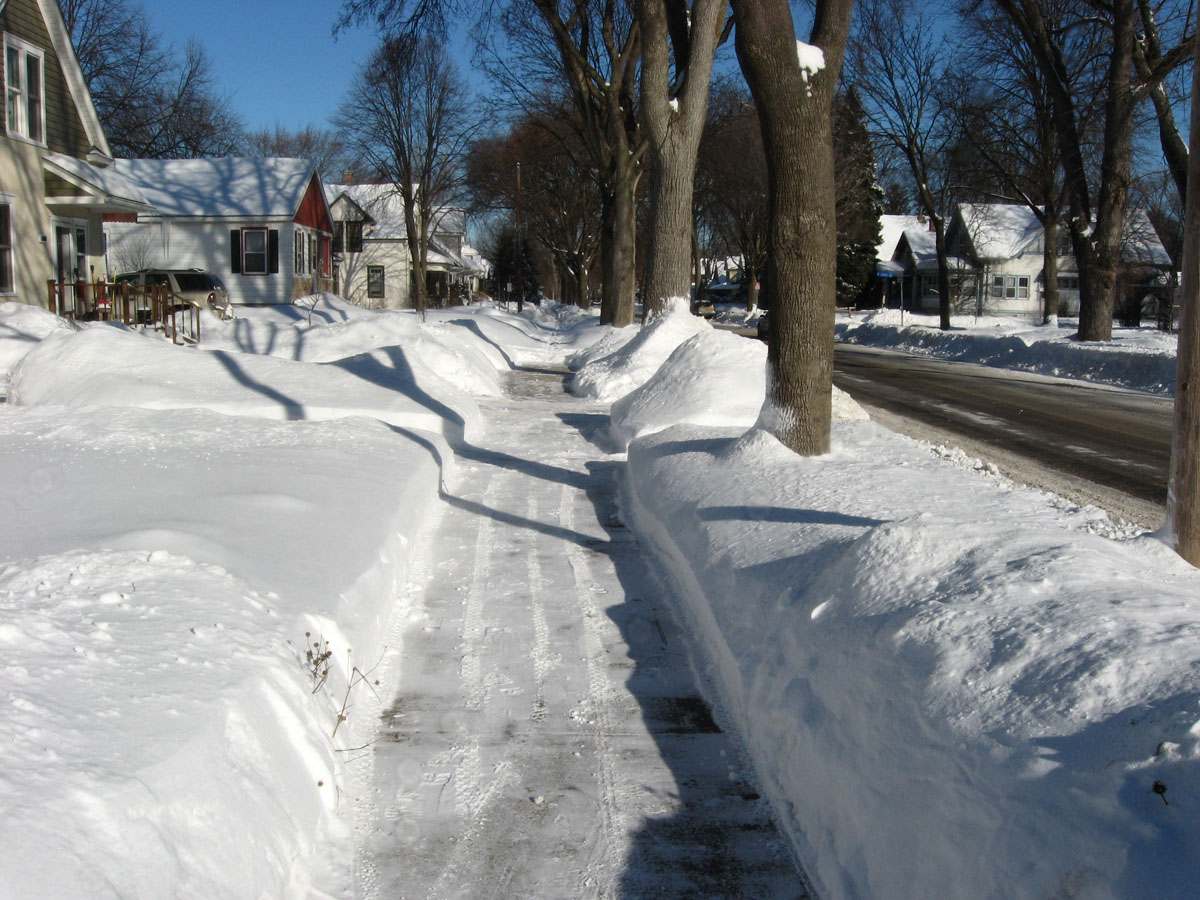
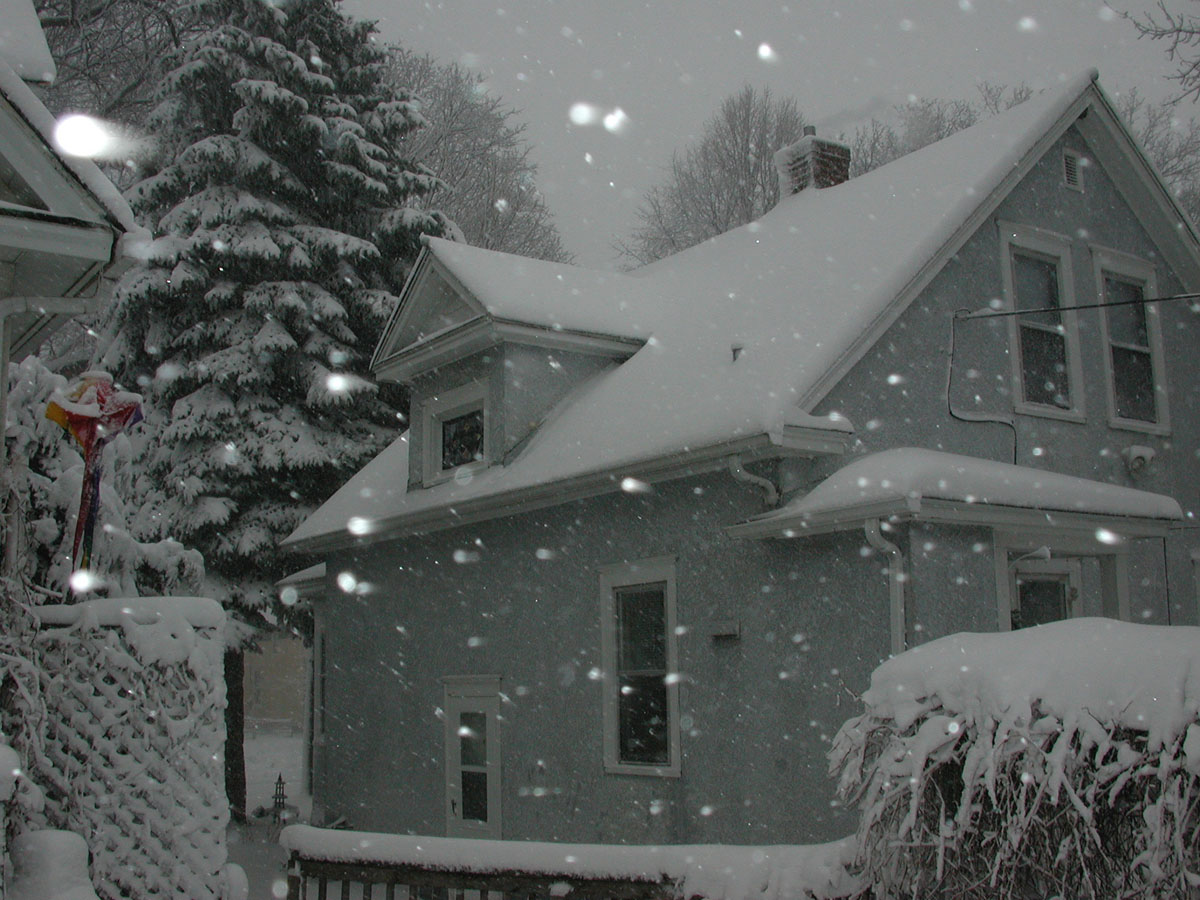
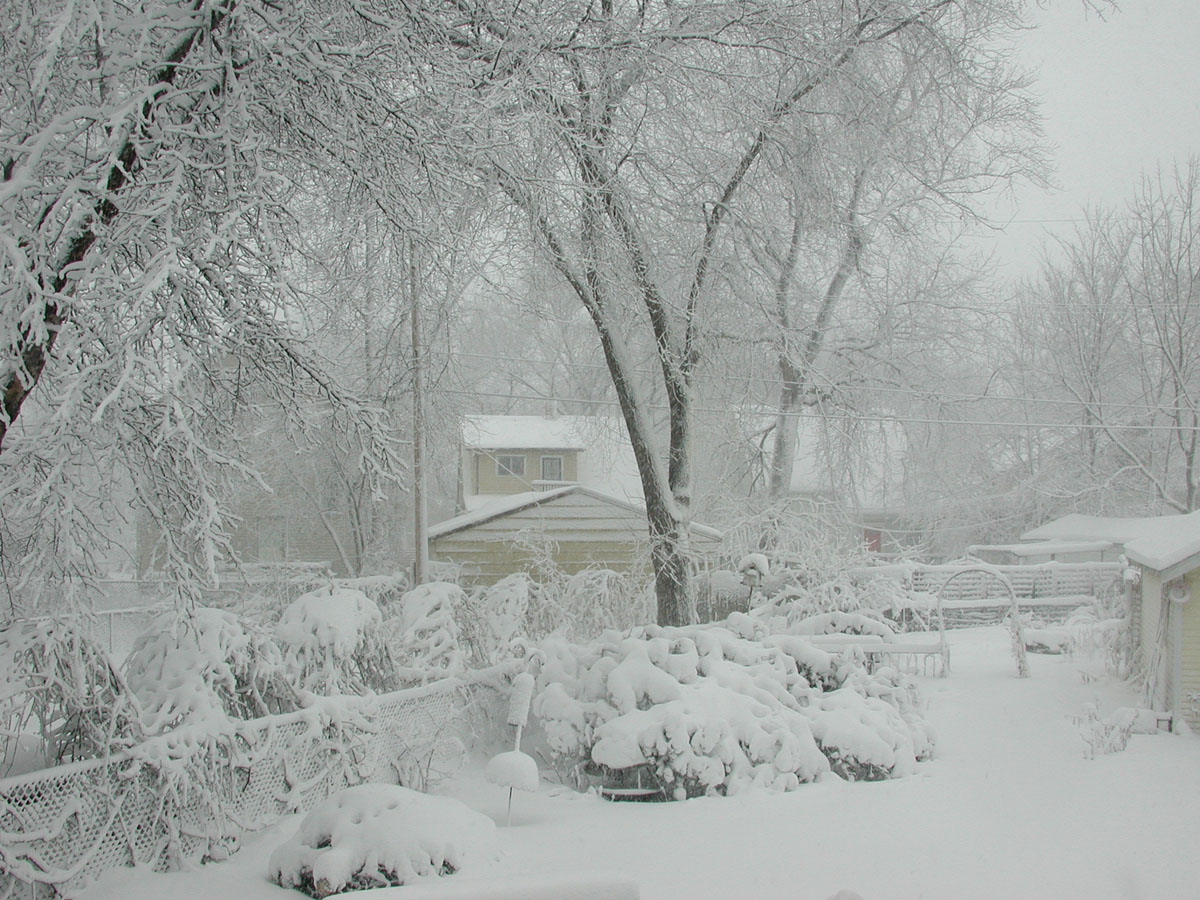
Snow settles and melts even as it is falling, so snow depths are much smaller than total snowfall. Typically 6 to 12 inches builds up in midwinter, but it can get as deep as 24 inches. Giant piles accumulate in the city from plowing and shoveling. Snow in the air and the trees is beautiful. Snow on the ground is a hassle. The sunshine melts snow even on cold days, and the trickle of meltwater refreezes at night, making sidewalks slippery. When a large melt off happens in spring there can be flooding and the ground develops mud on top of frozen earth. Also large icicles can form on the eaves of buildings.
The quality of snow varies greatly depending on temperature and other factors. Generally snow is heavy and wet when it is warm, and light and fluffy when it is cold. At temperatures near freezing a four inch snowfall can have an inch of liquid in it. In subzero conditions it can have as little as a tenth of inch. The difference in shoveling is noticeable, to say the least. Wind and humidity also affect precipitation, such as whether we get big or small snowflakes, or hard little balls or sleet, for example. All midwinter snowfalls have the same fate, however, which is to get hard, icy, dirty and ugly as the snow settles.
Here is something I like about Minnesota. The supermarkets will be crowded and the roads will be congested with people trying to get things done before a big storm, but you just don't see people emptying supermarket shelves in a panic. Everyone knows the storm will pass and the trucks will start rolling in again before anyone has time to run out of beer or guacamole. If you're living in a remote farmhouse, you're probably smart enough to stock your pantry with a few weeks of food and some large bottles of Svedka. Another thing I like is the culture of helping with stuck cars. Strangers will seemingly appear from nowhere with shovels and snowblowers to help. I once had a guy drive up in a farm tractor to help pull the car off some roadside ice I got stuck on.
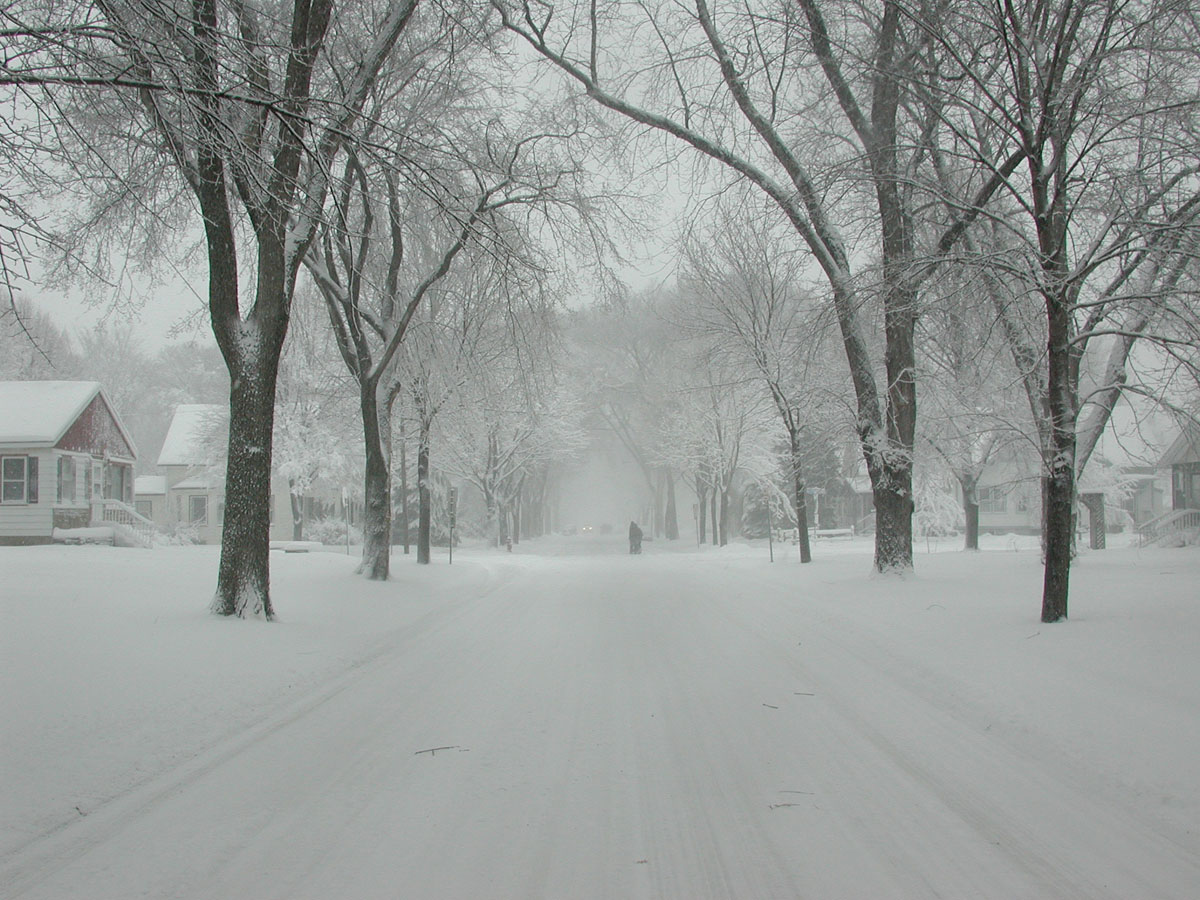
There are few "snow days" in Minnesota in a normal year. Schools open two hours late under bad conditions. It takes an incapacitating blizzard or temperatures -20 or colder to cancel an entire schoolday, and those don't happen every year. Office workers are sometimes sent home in the afternoon if a barn burner is hitting at rush hour, but many retail businesses find a way to stay open no matter how bad it gets. If you can reach a supermarket when there are abandoned cars in the intersections, it will be open and reasonably well stocked. Many convenience stores, gas stations, restaurants, bars, and liquor stores remain open in terrible conditions.
People often think that shoveling snow is a big deal. It certainly can be, like shoveling 40 cubic yards of snow in a major storm, but mostly it isn't. I don't spend any more time shoveling in an average winter than I spend mowing our small lawn in the summer. People with a long sidewalk or a big driveway can use a snowblower to keep the effort manageable. Most blocks have at least one guy who clears other people's snow because he likes to run his snowblower so much. Our neighbor does our driveway. Somebody with a new machine might get excited enough to clear the entire sidewalk on their side of the block the first few times they use it.
Cold
Cool rains first appear in September. Nights are cold enough to run the fireplace, but days are often warm and sunny. This might compare approximately to January in San Diego. The date of first frost is highly variable but early October is typical. The leaves are mostly gone by early November, after which it gets properly cold. November is the grayest time of year, often windy, with a mix of rain, sleet, and snow. Most of America would call this winter.
December through February are the midwinter months. Temperatures typically range from lows in the single digits to highs in the low thirties. Temperatures above freezing are infrequent. A sunny day in the twenties with light winds is considered nice enough to speak favorably upon. Usually warmer weather means snow and colder weather means sunshine.
March is very much a winter month, often cold and windy and prone to big snow storms, but you can still see an 80 degree day a few times a decade, and it might snow the very next day, then pop back up to the 60s the day after that and so on. But mostly it is just a grinding month of raw weather and psychological misery, waiting for the snow to melt away and leave behind the muds of April, which is the first month that presents any serious chance of gardening or walking around in shorts.
In a typical winter there are about 20 subzero nights, and a few nights below -10. The coldest year was 2013-2014, which had 53 subzero nights, 22 of which were below -10. It was a tough winter. The coldest day since we have lived here was -32/-17 in 1996. It happened during a week in which the lows ranged from -20 to -32 and the high never exceeded 0. After a week of that you do not feel the slightest bit strange calling it a "good" day when the temperature reaches 10 degrees.
Cold brings about certain hassles. The ground freezes hard and deep. Most outdoor construction stops. In subzero temperatures potholes can't be filled because it is too cold to work with asphalt, and firefighting is a hellish nightmare for those who do it. Making an emergency repair to an underground utility requires heating the ground for days before digging. Anything installed in or on the ground, like buildings, decks, patios, fences, etc. will heave unless proper footings have been installed. You lose the ability to easily work with water out of doors, so you cannot wash large objects with the hose like you would in summer. Things can freeze shut, like the garage door or trash can lid. Canned and bottled liquids can freeze and rupture their containers if left in a cold place such as a car. Don't even think about contacting metal with wet skin outdoors.
Which brings me to an oddity: drink vending machines that operate outdoors year round. These machines chill the drinks in the summer, and heat them in the winter. They are found in places with high pedestrian traffic, for example near schools or large apartment buildings. I've seen people buying drinks when it is below zero out. It's odd to see. Parka, face cover, big gloves, can of Coke.
Clothing
Warm weather denizens are usually interested in the question of clothing, and also generally want to understand what it feels like to hang around outside when it's -20 degrees. Is it dangerous? Does it hurt? Is it worse than -10? The answers are basically yes to all three questions.
There are two approaches to cold weather clothing: the layers approach, and the giant coat approach. In the layers approach you wear an outer shell over layers of insulating clothing, like a wool jacket or heavy sweater, maybe with a vest too. The shell keeps out wind and moisture but is relatively light. In the giant coat approach you wear a coat with a lot of insulation, like a puffy down parka, over lighter clothing, like maybe a light jacket or sweater. The distinction as to what constitutes a giant coat has gotten murkier since zip-out linings have become popular.
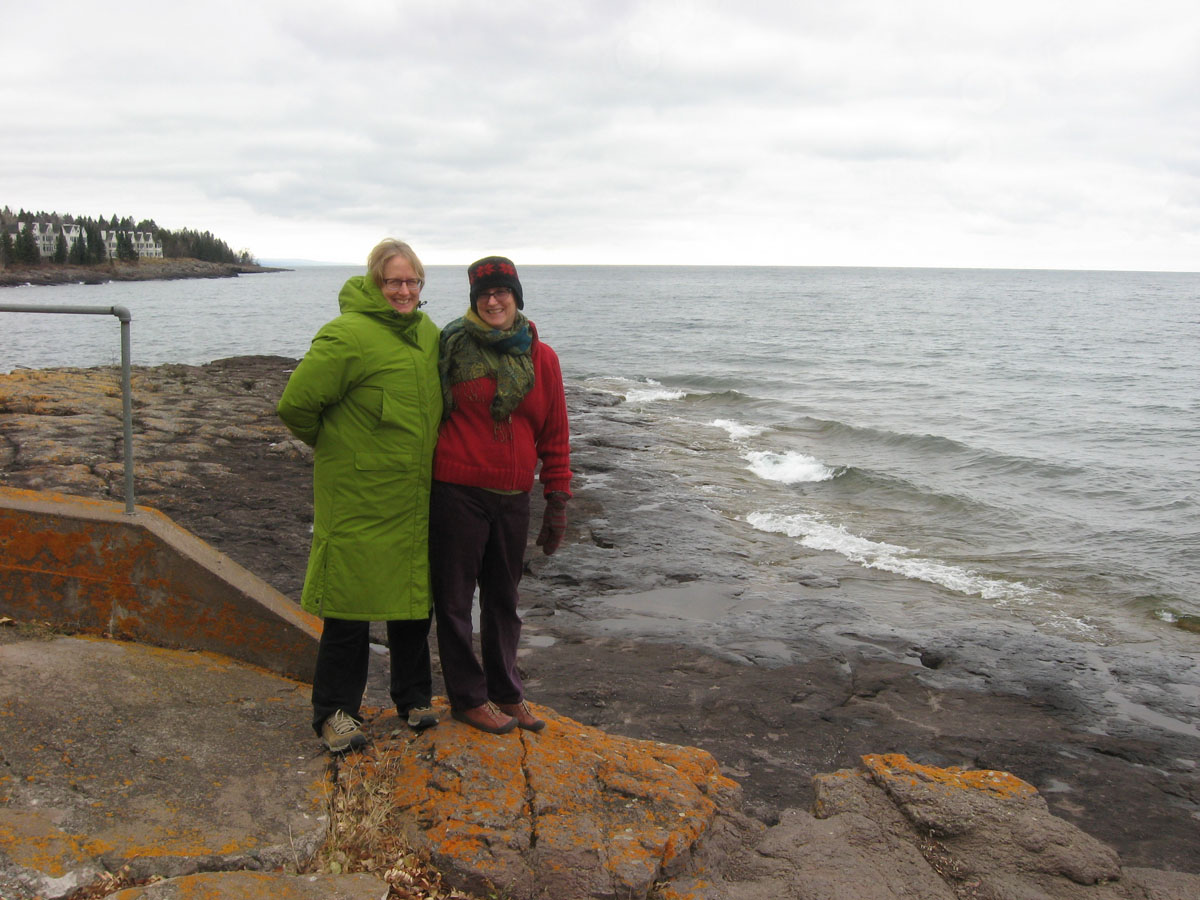
I use the layers approach. Most of the time I wear three layers, usually a shirt, a medium or heavy wool sweater, and a waterproof outer shell. On warmer days I often add a wool vest under the sweater and ditch the outer shell. On my legs I just wear ordinary pants. When it gets cold I can wear thermal underwear, and when it gets bitterly cold I can add a down vest and snow pants, which is five layers on my torso, four layers on my arms, and three layers on my legs. This can handle -30 pretty well. There is nothing fancy about this clothing, it doesn't need to be expensive, you just need to pack on the layers and keep the wind and water out.
For your head you can wear a super warm hat that covers your ears, like those big wool and mink hats you see on Russians, but you're probably going to want a scarf around your neck. Most people use the layers approach instead, with a close fitting cap or balaclava under the hood of a jacket. A jacket hood is way better than a scarf and hat when the wind starts blowing. When it gets below -10 you need to cover as much skin on your face as possible, and use some sort of eyewear. Also, it gets hard to breathe with your mouth uncovered, but the cover over your mouth and nose will build up ice when you breathe through it, which is especially annoying on a bike. Mostly I wear ordinary footwear, but on cold days I might use heavy wool socks. Under bitterly cold conditions I have a pair of boots that can easily handle -30.
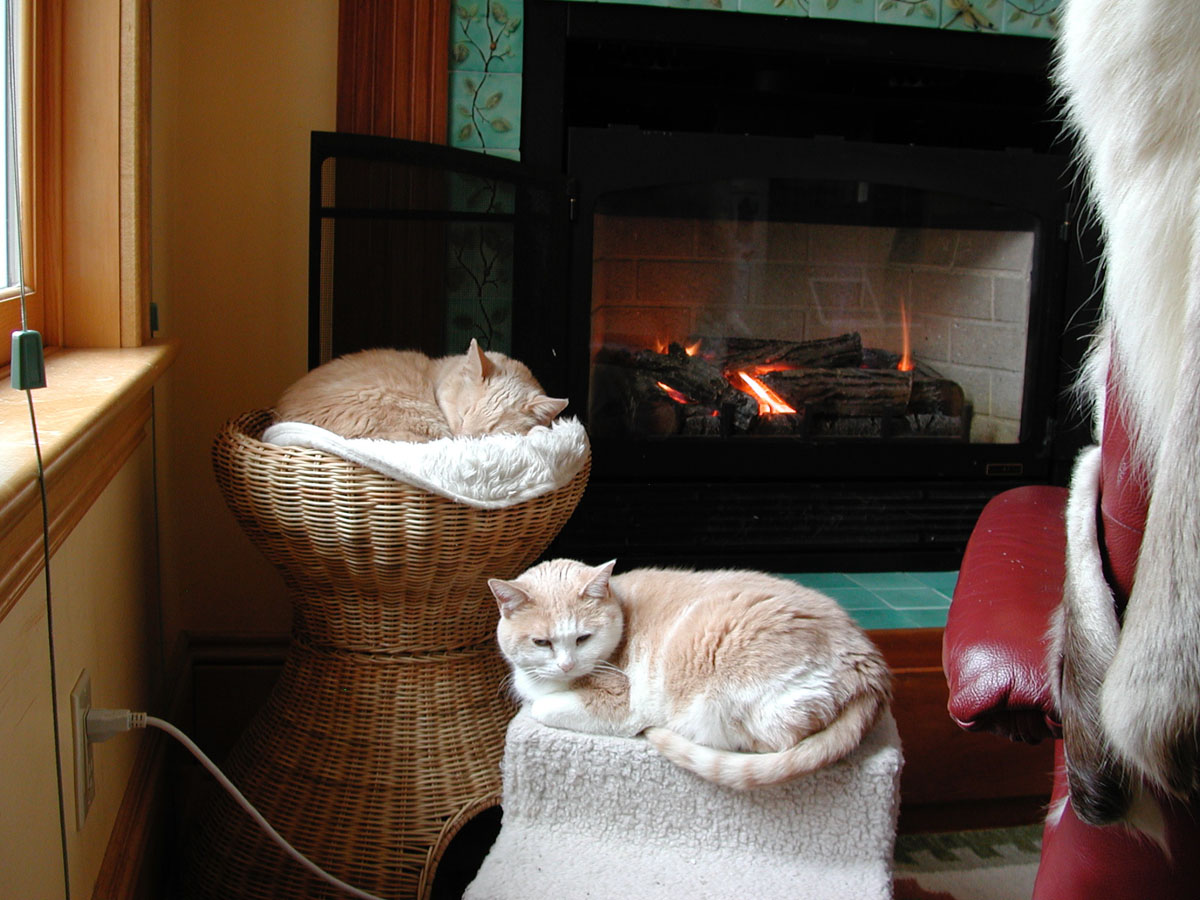
Most public spaces are not overly heated in winter. It's a hassle to take off every layer anyway, so usually you end up wearing a sweater indoors when you are out to a restaurant or movie theater. If you want to heat your own house enough to wear a bathing suit, you can do it, but it costs more. Most people don't unless they are old or inactive. A fireplace is good if you have one, for when you get a chill. Or a space heater, or a sauna.
Car
Fuel injection and other improvements have largely mitigated the problem of starting cars in cold weather. On most days you can just start it up and drive off. On colder days it might need a few minutes to warm up. Modern cars will start in bitterly cold temperatures if the battery is fully charged. We can use the same oil viscosity year round. The only special thing we do is hook our battery to a trickle charger once in awhile because we don't drive enough to keep it fully charged. Cars are much more resistant to rust from road salts than in the old days, but will rust out in time if the paint is compromised.
Driving on icy or snowy roads is challenging, especially at night. Reading the road surface takes experience. When it gets very cold, exhaust fumes freeze on the pavement where cars idle at intersections, leaving patches of invisible ice. Anti-lock brakes are great in slippery conditions, they give your foot a lot of feedback about road traction. Modern all weather tires give good traction if you pay up for best quality. Most people don't bother with snow tires unless they drive in rural areas, or drive vehicles that are constantly on the road, such as taxis and police cars.
Winterization
We don't spend much time on seasonal adjustments to the house. The biggest hassle is removing and storing two window air conditioners, just because they're heavy, but it only takes us half an hour to do it. There are a half dozen screens I remove for the winter, and I usually wash them, which is another half hour. Lowering the storm windows takes all of 15 minutes. The outdoor water must be shut off and the hoses brought in, another 15 minutes. The snow shovels, salt, and big boots come out of the basement, snow brushes and ice scrapers get stowed in the car, and cold weather clothing comes out of storage, which is just a few minutes here and there when I feel like it. For heating I turn on the bathroom floor heater, vacuum the fireplace, light the pilot, bake out the furnace, and plug in the heated bird bath. So maybe three hours of work total.
Cats
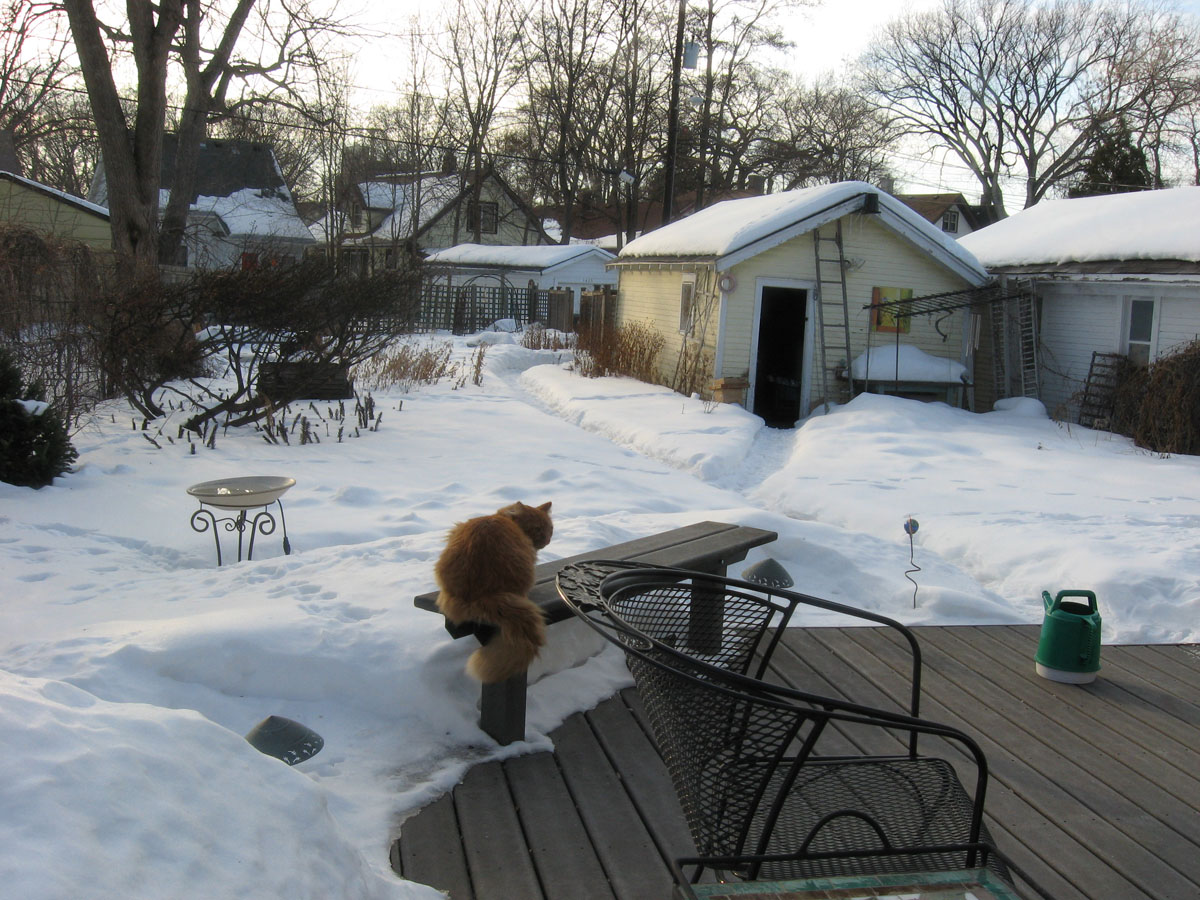
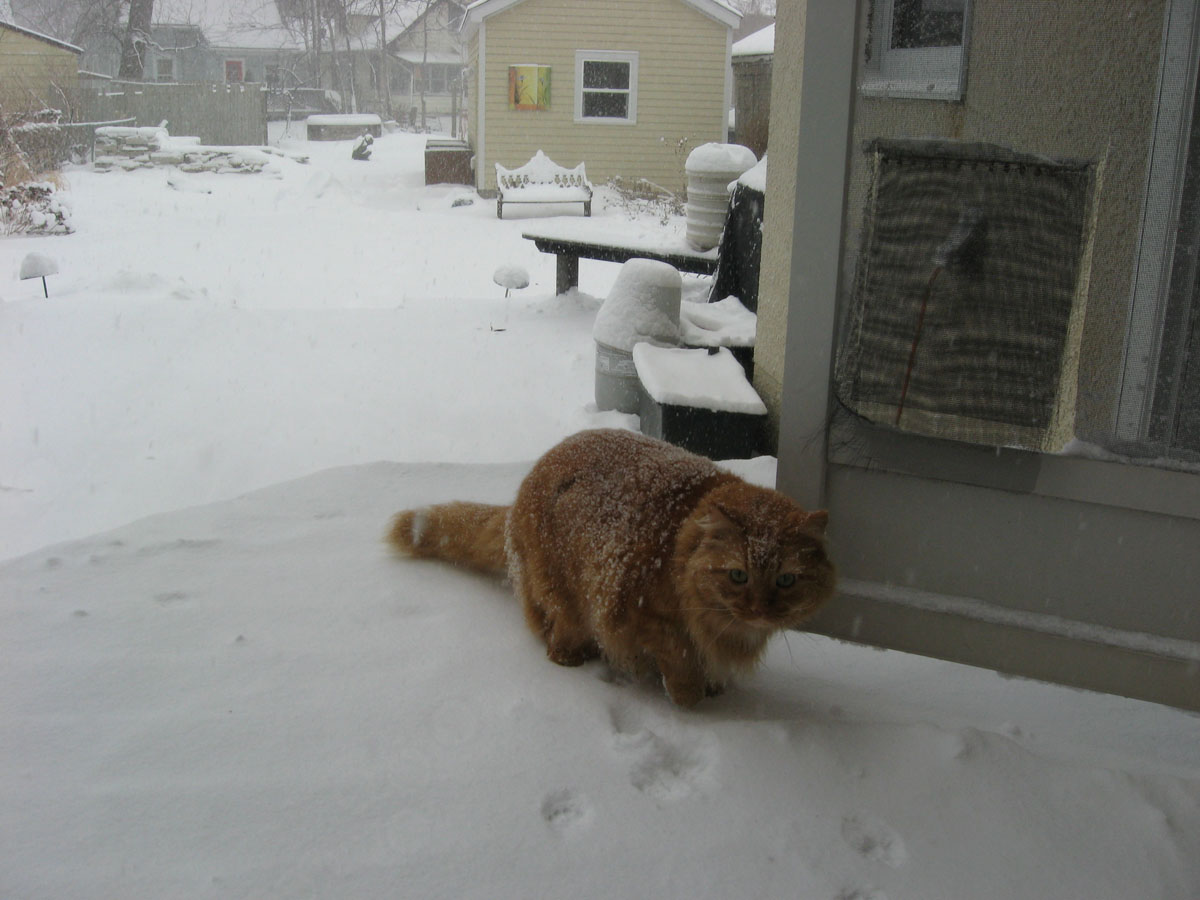
Our cats don't like winter. On a nice winter day they can stay out for an hour or two, but on colder days this shrinks to ten minutes or less. So the colder it gets the more often we need to let them in and out, up to several times an hour on a cold day. We're coerced into playing doorman by their obnoxious behavior when they become bored. Plus, they're cats, so there is some emotional blackmail going on.
Food
With modern distribution systems, winter doesn't have much impact. You can get anything you want for a price. The supermarkets don't look much different than in summer. Fresh fruits and vegetables are generally more expensive with less variety, but good quality is available throughout the winter.
Lifestyle
Winter isn't the end of the world. Snow is a hassle. The coat, hat, and gloves thing everywhere you go is a hassle. Everyone complains about the weather. But there isn't any yard work to do and you can focus on indoor projects. There is lots of kitchen time and lots of fireplace time. But there are nearly as many social and cultural events in winter as summer. Also, the sky and landscape go through an incredible variety of changes over the course of winter that I enjoy.